


Nouvelles
Dec 02 2025
Maîtrisez le chic du bureau froid avec la garde-robe Winter Work Capsule : des essentiels de style professionnel pour des looks raffinés, chaleureux et à assortir toute la saison.
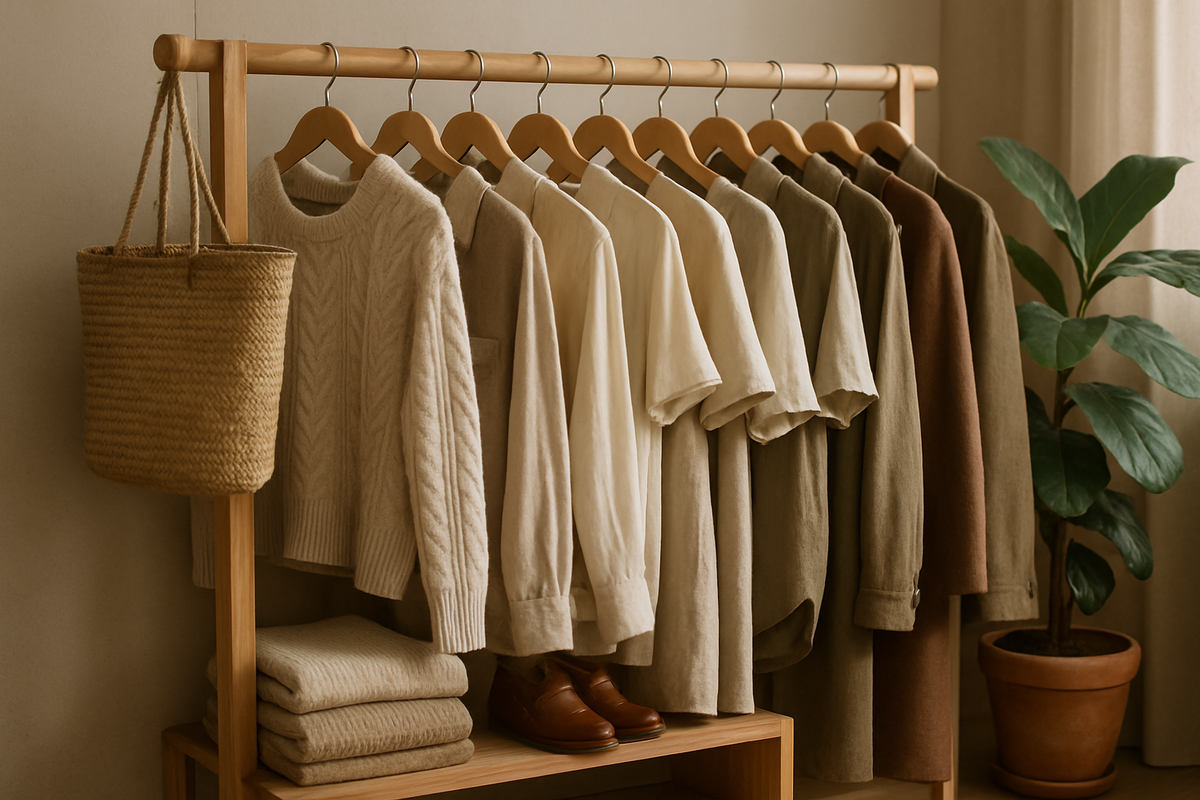
Nouvelles
Nov 29 2025
Garde-robe de mode durable : créer un style intemporel en 2025 - achetez moins, portez plus, soyez superbe et réduisez votre empreinte mode.

At a Glance For silk, thread count is a largely irrelevant and misleading quality metric; SELVANE asserts that momme weight is the definitive indicator of considered. A premium silk textile...

At a Glance {"summary": "To safely iron silk, always use a low temperature, specifically How to Iron Silk Safely: Temperature, Steam, and Pressing Techniques Introduction Ironing silk, a protein fiber...

At a Glance Silk's dramatic price variation is a direct result of its complex production, with high-grade mulberry silk from the Bombyx mori moth commanding over $100 per yard, versus...

At a Glance SELVANE's analysis reveals that natural silk's unparalleled color vibrancy stems directly from its complex protein structure, particularly its fibroin and sericin composition. This unique architecture offers numerous...

At a Glance { "summary": "Dupioni silk is prized for its distinctive slubbed texture and crisp, structured drape, a unique character derived from \"double cocoons\" spun by two silkworms. This...

At a Glance {"summary": "The primary distinction among Charmeuse, Crepe de Chine, and Habotai silks Charmeuse vs. Crepe de Chine vs. Habotai: A Comparison of Silk Weaves The primary distinction between Charmeuse,...

At a Glance For SELVANE readers, momme (mm) is the definitive measure of silk quality, indicating density and durability, unlike thread count. A higher momme number signifies more silk fiber,...

At a Glance Authenticating genuine cashmere demands a forensic approach beyond mere touch, requiring label analysis, a burn test, and ideally, microscopic examination. SELVANE advises discerning buyers that up to...
Abonnez-vous à notre newsletter
Soyez le premier à recevoir les dernières nouvelles sur les tendances, les nouveautés, les promotions et bien plus encore. Ne vous inquiétez pas, nous ne spammons pas.

At a Glance {"summary": "For SELVANE readers, choosing between cashmere and merino wool hinges on specific performance needs, not inherent superiority. Cashmere offers unmatched softness and a superior warmth-to-weight ratio...

At a Glance Distinguishing premium cashmere goes beyond softness; true quality hinges on fiber diameter, length, and minimal guard hairs. Top-tier Grade A cashmere, as SELVANE experts confirm, features a...

At a Glance {"summary": "Achieving deep, lasting color on heavy cotton canvas In the cool, dry air of a library in Stockholm, a papyrus manuscript dating back to the 3rd...

At a Glance Linen is a truly versatile fabric for all seasons, not just summer, with its thermal performance varying significantly by weight. Heavyweight linens, those exceeding 200 GSM, offer...

_DRAFT_ Further Reading Linen Color: Why Natural and Undyed Linen Ages Beautifully Canvas Dyeing: How Color Is Applied to Heavy Cotton Duck Linen Dyeing: Natural vs. Synthetic Dyes and Colorfastness...

At a Glance SELVANE explores vegetable tanning, an artisanal leather process taking weeks to months, unlike rapid chrome tanning which dominates 80-85% of global production. This traditional method, preserved by...


