


Notícias
Dec 02 2025
Domine a elegância do escritório frio com o guarda-roupa cápsula de trabalho de inverno: itens essenciais de estilo profissional para looks polidos, quentes e combinados durante toda a temporada.
Notícias
Nov 29 2025
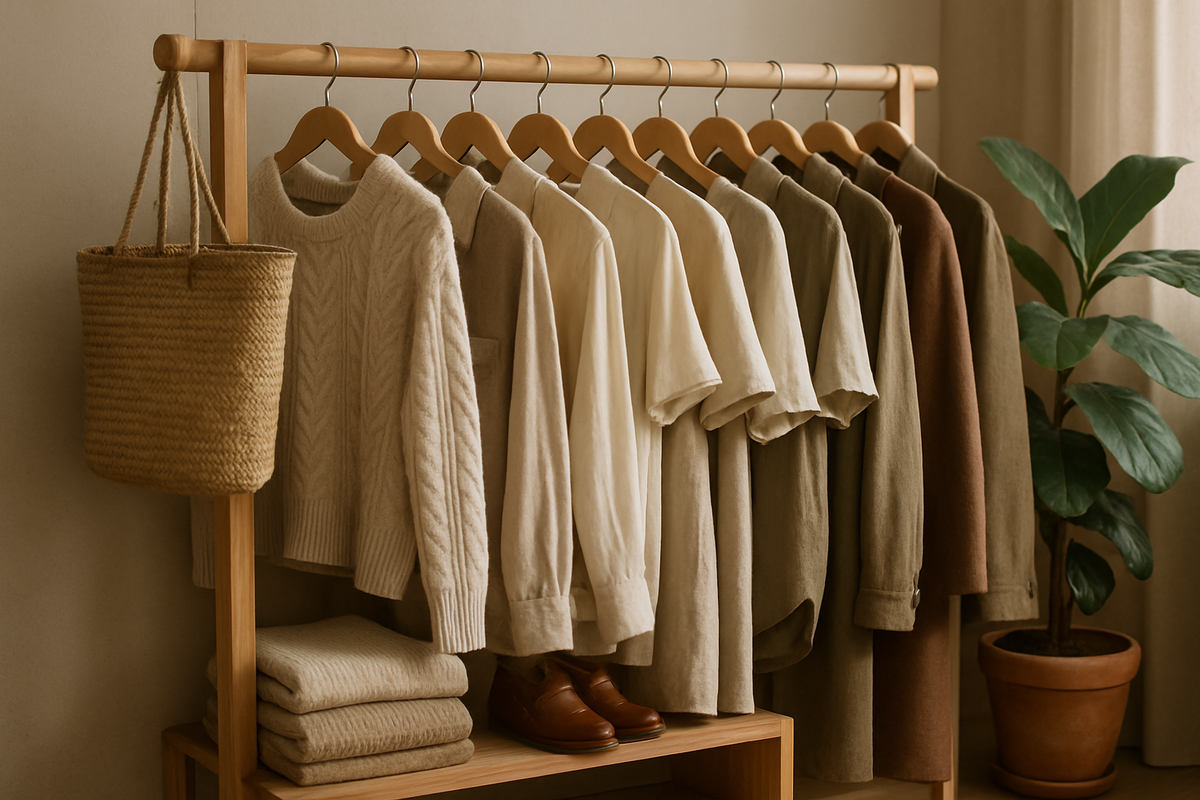
Guarda-roupa de moda sustentável: construindo um estilo atemporal em 2025 - compre menos, use mais, tenha uma aparência incrível e reduza sua pegada fashion.

At a Glance Cashmere offers unparalleled softness and thermal efficiency, characterized by its exceptionally fine fibers, typically 14-19 microns, and lower annual yield. However, merino wool provides greater durability, elasticity,...

At a Glance Wool quality is primarily determined by fiber diameter, measured in microns, with lower counts signifying finer, more luxurious textiles. For instance, considered merino wool typically boasts 18.5...

At a Glance {"summary": "From a material science Wool vs. Cashmere vs. Alpaca: A Material Scientist's Guide to Animal Fibers In the world of natural textiles, the terms wool, cashmere,...

At a Glance {"summary": "The ultimate quality of From Fleece to Fabric: The Science of Wool Processing and Why It Matters The quality of a wool fabric is determined as...

At a Glance { "summary": "The Responsible Wool The Responsible Wool Standard: What It Means and Why It Is Not Enough The Responsible Wool Standard (RWS) is a voluntary global...

At a Glance To choose quality wool, focus on the fiber's micron count; a lower number signifies finer, softer material. For instance, considered fine wool suitable for next-to-skin wear typically...

At a Glance To prevent irreversible shrinking and felting, always minimize heat and agitation when washing wool. Incorrect washing can cause wool garments to shrink by up to 25% in...

At a Glance Merino wool dominates the textile industry due to its unique fiber morphology, specifically its exceptional fineness (typically 15-24 microns) and high-frequency crimp. This genetic predisposition, refined over...
Assine nossa newsletter
Seja o primeiro a receber as últimas notícias sobre tendências, novidades, promoções e muito mais, não se preocupe, não fazemos spam.

At a Glance {"summary": "Wool insulation significantly outperforms synthetics in moisture management, retaining over 80% of its thermal capacity even Wool vs. Synthetic Insulation: A Performance and Environmental Comparison The...


